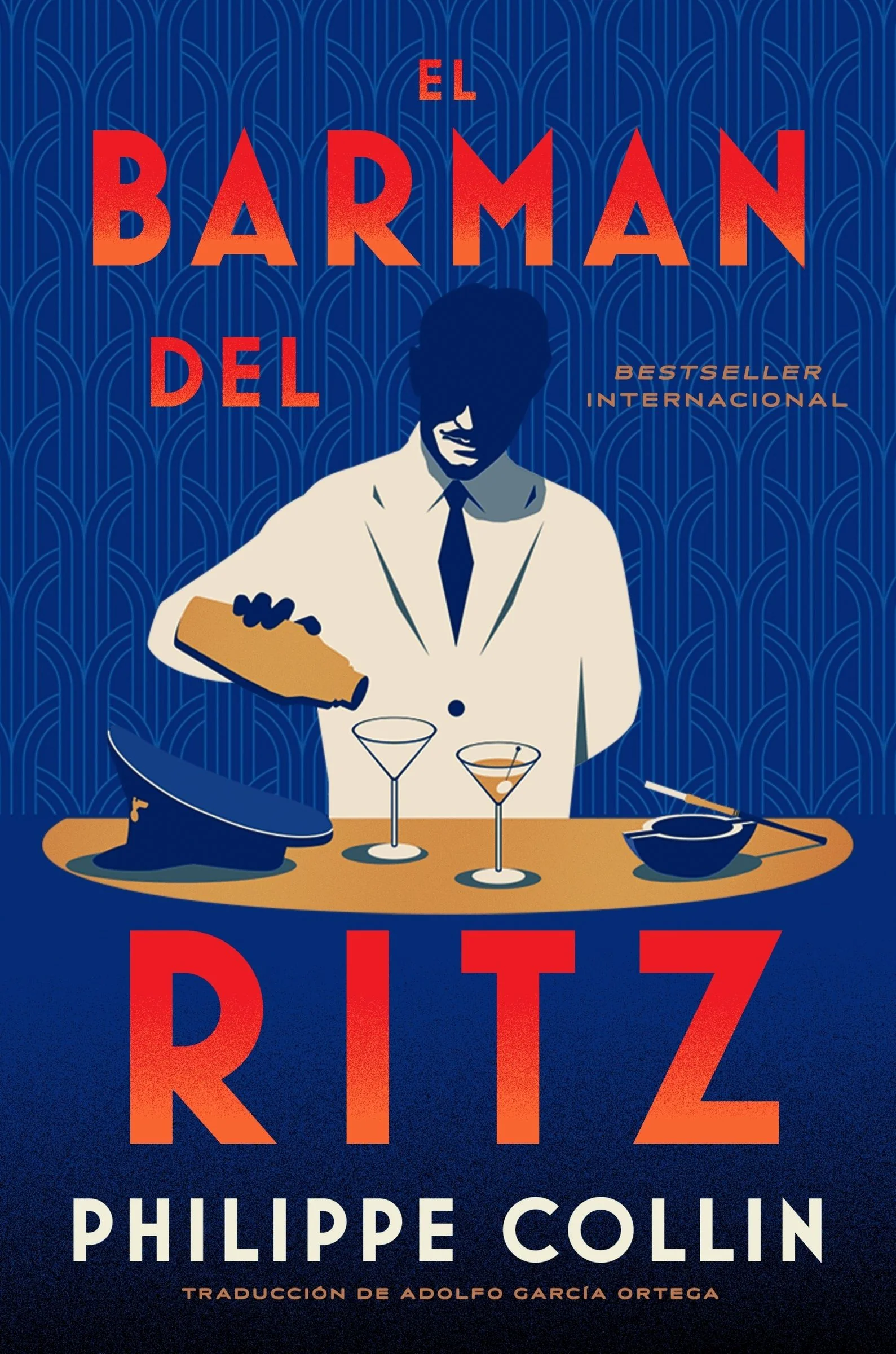
El barman del Ritz
«P. Collin nos sumerge, con un talento narrativo innegable, en la vida cotidiana de un teatro de máscaras». — Le Figaro
Una ciudad mítica: París.
Un lugar legendario: el Gran Hotel Ritz.
Un barman legendario: Frank Meier, el barman del Ritz.
Todos habían probado sus famosos cócteles: Ernest Hemingway, Scott Fitzgerald, Coco Chanel, Mistinguett, Sacha Guitry, Jean Cocteau, Arletty. Pero en julio de 1940, las tropas alemanas ocuparon París, y sus líderes decidieron alojarse en el Ritz —como lo hicieron altos mandos nazis como Göring y Goebbels cuando visitaban la capital francesa—.
El bar del Ritz se convirtió entonces en uno de los centros del París ocupado, donde se cruzaban oficiales de la Gestapo, comandantes de las SS y de la Wehrmacht, colaboradores franceses, empresarios sin escrúpulos, aduladores, artistas, espías y miembros de la Resistencia. Mientras tanto, fuera del hotel reinaban el hambre, el oportunismo, la violencia antijudía y el miedo.
Frank Meier, que conocía las preferencias de todos, seguía preparando sus cócteles, escuchando atentamente todo lo que se decía, aparentemente imperturbable. Pero el barman del Ritz guardaba un secreto que nadie conocía —y que era mejor que permaneciera oculto—.
La novela que se ha convertido en un fenómeno editorial en Francia, con más de 300 000 ejemplares vendidos en menos de ocho meses.
-----
“P. Collin draws us in, with undeniable storytelling talent, into the daily life of a masked theater.” — Le Figaro
A mythical city: Paris.
A legendary place: the Grand Hotel Ritz.
A legendary bartender: Frank Meier, the bartender of the Ritz.
Everyone had tasted his famous cocktails—Ernest Hemingway, Scott Fitzgerald, Coco Chanel, Mistinguett, Sacha Guitry, Jean Cocteau, Arletty. But in July 1940, German troops occupied Paris, and their leaders chose to stay at the Ritz—just as high-ranking Nazis like Göring and Goebbels would do when visiting the French capital.
The Ritz bar then became one of the centers of Occupied Paris, where Gestapo officers, SS and Wehrmacht commanders, French collaborators, unscrupulous businessmen, flatterers, artists, spies, and members of the Resistance all crossed paths. Meanwhile, outside the hotel, hunger, opportunism, anti-Jewish violence, and fear reigned.
Frank Meier, who knew everyone’s preferences, kept mixing his cocktails, listening closely to everything being said, seemingly unshaken. But the bartender of the Ritz harbored a secret no one knew—and one that was best left unknown.
The novel that has become a publishing phenomenon in France, with over 300,000 copies sold in less than eight months.
«P. Collin nos sumerge, con un talento narrativo innegable, en la vida cotidiana de un teatro de máscaras». — Le Figaro
Una ciudad mítica: París.
Un lugar legendario: el Gran Hotel Ritz.
Un barman legendario: Frank Meier, el barman del Ritz.
Todos habían probado sus famosos cócteles: Ernest Hemingway, Scott Fitzgerald, Coco Chanel, Mistinguett, Sacha Guitry, Jean Cocteau, Arletty. Pero en julio de 1940, las tropas alemanas ocuparon París, y sus líderes decidieron alojarse en el Ritz —como lo hicieron altos mandos nazis como Göring y Goebbels cuando visitaban la capital francesa—.
El bar del Ritz se convirtió entonces en uno de los centros del París ocupado, donde se cruzaban oficiales de la Gestapo, comandantes de las SS y de la Wehrmacht, colaboradores franceses, empresarios sin escrúpulos, aduladores, artistas, espías y miembros de la Resistencia. Mientras tanto, fuera del hotel reinaban el hambre, el oportunismo, la violencia antijudía y el miedo.
Frank Meier, que conocía las preferencias de todos, seguía preparando sus cócteles, escuchando atentamente todo lo que se decía, aparentemente imperturbable. Pero el barman del Ritz guardaba un secreto que nadie conocía —y que era mejor que permaneciera oculto—.
La novela que se ha convertido en un fenómeno editorial en Francia, con más de 300 000 ejemplares vendidos en menos de ocho meses.
-----
“P. Collin draws us in, with undeniable storytelling talent, into the daily life of a masked theater.” — Le Figaro
A mythical city: Paris.
A legendary place: the Grand Hotel Ritz.
A legendary bartender: Frank Meier, the bartender of the Ritz.
Everyone had tasted his famous cocktails—Ernest Hemingway, Scott Fitzgerald, Coco Chanel, Mistinguett, Sacha Guitry, Jean Cocteau, Arletty. But in July 1940, German troops occupied Paris, and their leaders chose to stay at the Ritz—just as high-ranking Nazis like Göring and Goebbels would do when visiting the French capital.
The Ritz bar then became one of the centers of Occupied Paris, where Gestapo officers, SS and Wehrmacht commanders, French collaborators, unscrupulous businessmen, flatterers, artists, spies, and members of the Resistance all crossed paths. Meanwhile, outside the hotel, hunger, opportunism, anti-Jewish violence, and fear reigned.
Frank Meier, who knew everyone’s preferences, kept mixing his cocktails, listening closely to everything being said, seemingly unshaken. But the bartender of the Ritz harbored a secret no one knew—and one that was best left unknown.
The novel that has become a publishing phenomenon in France, with over 300,000 copies sold in less than eight months.
Description
«P. Collin nos sumerge, con un talento narrativo innegable, en la vida cotidiana de un teatro de máscaras». — Le Figaro
Una ciudad mítica: París.
Un lugar legendario: el Gran Hotel Ritz.
Un barman legendario: Frank Meier, el barman del Ritz.
Todos habían probado sus famosos cócteles: Ernest Hemingway, Scott Fitzgerald, Coco Chanel, Mistinguett, Sacha Guitry, Jean Cocteau, Arletty. Pero en julio de 1940, las tropas alemanas ocuparon París, y sus líderes decidieron alojarse en el Ritz —como lo hicieron altos mandos nazis como Göring y Goebbels cuando visitaban la capital francesa—.
El bar del Ritz se convirtió entonces en uno de los centros del París ocupado, donde se cruzaban oficiales de la Gestapo, comandantes de las SS y de la Wehrmacht, colaboradores franceses, empresarios sin escrúpulos, aduladores, artistas, espías y miembros de la Resistencia. Mientras tanto, fuera del hotel reinaban el hambre, el oportunismo, la violencia antijudía y el miedo.
Frank Meier, que conocía las preferencias de todos, seguía preparando sus cócteles, escuchando atentamente todo lo que se decía, aparentemente imperturbable. Pero el barman del Ritz guardaba un secreto que nadie conocía —y que era mejor que permaneciera oculto—.
La novela que se ha convertido en un fenómeno editorial en Francia, con más de 300 000 ejemplares vendidos en menos de ocho meses.
-----
“P. Collin draws us in, with undeniable storytelling talent, into the daily life of a masked theater.” — Le Figaro
A mythical city: Paris.
A legendary place: the Grand Hotel Ritz.
A legendary bartender: Frank Meier, the bartender of the Ritz.
Everyone had tasted his famous cocktails—Ernest Hemingway, Scott Fitzgerald, Coco Chanel, Mistinguett, Sacha Guitry, Jean Cocteau, Arletty. But in July 1940, German troops occupied Paris, and their leaders chose to stay at the Ritz—just as high-ranking Nazis like Göring and Goebbels would do when visiting the French capital.
The Ritz bar then became one of the centers of Occupied Paris, where Gestapo officers, SS and Wehrmacht commanders, French collaborators, unscrupulous businessmen, flatterers, artists, spies, and members of the Resistance all crossed paths. Meanwhile, outside the hotel, hunger, opportunism, anti-Jewish violence, and fear reigned.
Frank Meier, who knew everyone’s preferences, kept mixing his cocktails, listening closely to everything being said, seemingly unshaken. But the bartender of the Ritz harbored a secret no one knew—and one that was best left unknown.
The novel that has become a publishing phenomenon in France, with over 300,000 copies sold in less than eight months.