🎉 Up to 70% Off Selected ItemsShop Sale

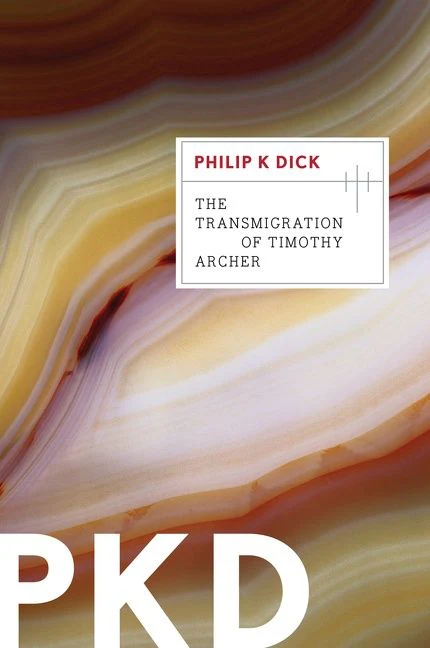
The Transmigration Of Timothy Archer
From Philip K. Dick, the Hugo Award–winning author of The Man in the High Castle and Do Androids Dream of Electric Sheep?—the basis for the film Blade Runner—comes The Transmigration of Timothy Archer, the conclusion of the VALIS trilogy, bringing the author’s search for the identity and nature of God to a close.
The novel follows Bishop Timothy Archer as he travels to Israel, ostensibly to examine ancient scrolls bearing the words of Christ. But more importantly, this leads him to examine the decisions he made during his life and how they may have contributed to the suicides of his mistress and son.
This introspective book is one of Dick’s most philosophical and literary, delving into the mysteries of religion and of faith itself. As one of Dick’s final works, it also provides unique insight into the mind of a genius, whose work was still in the process of maturing at the time of his death.
The novel follows Bishop Timothy Archer as he travels to Israel, ostensibly to examine ancient scrolls bearing the words of Christ. But more importantly, this leads him to examine the decisions he made during his life and how they may have contributed to the suicides of his mistress and son.
This introspective book is one of Dick’s most philosophical and literary, delving into the mysteries of religion and of faith itself. As one of Dick’s final works, it also provides unique insight into the mind of a genius, whose work was still in the process of maturing at the time of his death.
From Philip K. Dick, the Hugo Award–winning author of The Man in the High Castle and Do Androids Dream of Electric Sheep?—the basis for the film Blade Runner—comes The Transmigration of Timothy Archer, the conclusion of the VALIS trilogy, bringing the author’s search for the identity and nature of God to a close.
The novel follows Bishop Timothy Archer as he travels to Israel, ostensibly to examine ancient scrolls bearing the words of Christ. But more importantly, this leads him to examine the decisions he made during his life and how they may have contributed to the suicides of his mistress and son.
This introspective book is one of Dick’s most philosophical and literary, delving into the mysteries of religion and of faith itself. As one of Dick’s final works, it also provides unique insight into the mind of a genius, whose work was still in the process of maturing at the time of his death.
The novel follows Bishop Timothy Archer as he travels to Israel, ostensibly to examine ancient scrolls bearing the words of Christ. But more importantly, this leads him to examine the decisions he made during his life and how they may have contributed to the suicides of his mistress and son.
This introspective book is one of Dick’s most philosophical and literary, delving into the mysteries of religion and of faith itself. As one of Dick’s final works, it also provides unique insight into the mind of a genius, whose work was still in the process of maturing at the time of his death.
$15.19
The Transmigration Of Timothy Archer—
$15.19
Description
From Philip K. Dick, the Hugo Award–winning author of The Man in the High Castle and Do Androids Dream of Electric Sheep?—the basis for the film Blade Runner—comes The Transmigration of Timothy Archer, the conclusion of the VALIS trilogy, bringing the author’s search for the identity and nature of God to a close.
The novel follows Bishop Timothy Archer as he travels to Israel, ostensibly to examine ancient scrolls bearing the words of Christ. But more importantly, this leads him to examine the decisions he made during his life and how they may have contributed to the suicides of his mistress and son.
This introspective book is one of Dick’s most philosophical and literary, delving into the mysteries of religion and of faith itself. As one of Dick’s final works, it also provides unique insight into the mind of a genius, whose work was still in the process of maturing at the time of his death.
The novel follows Bishop Timothy Archer as he travels to Israel, ostensibly to examine ancient scrolls bearing the words of Christ. But more importantly, this leads him to examine the decisions he made during his life and how they may have contributed to the suicides of his mistress and son.
This introspective book is one of Dick’s most philosophical and literary, delving into the mysteries of religion and of faith itself. As one of Dick’s final works, it also provides unique insight into the mind of a genius, whose work was still in the process of maturing at the time of his death.